
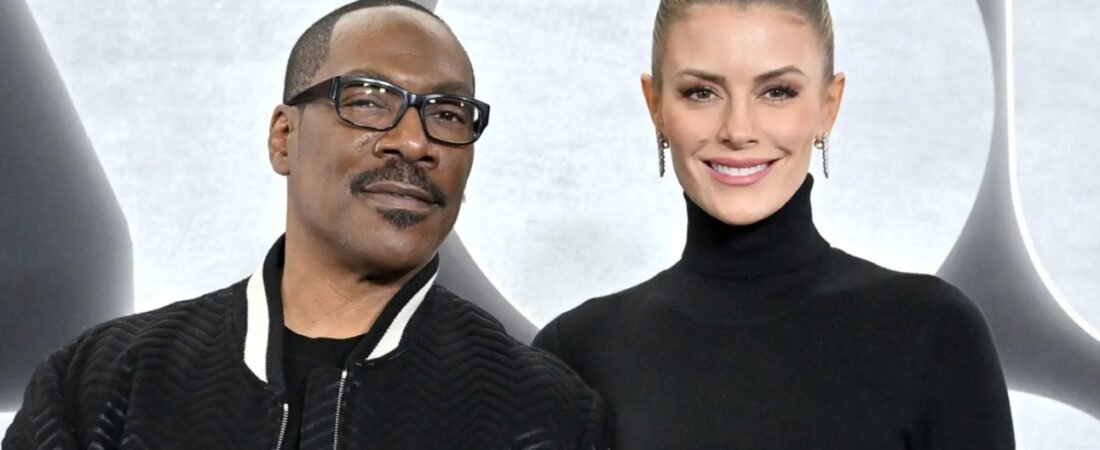
Born on November 30, 2018, Max Charles Murphy is the youngest child of legendary comedian and actor Eddie Murphy and Australian model and actress Paige Butcher. As Eddie’s tenth child and second with Paige, Max occupies a unique place in a multigenerational Hollywood family that combines enormous cultural impact with carefully managed privacy.
While Max is still a minor with no independent career, his life is shaped by a four-decade entertainment empire and a family net worth estimated in the hundreds of millions of dollars. This profile examines his place in the Murphy family tree, the financial context surrounding his upbringing, and how his parents balance wealth, legacy, and privacy.
Quick Facts – Max Charles Murphy
| Field | Audit Detail |
|---|---|
| Full Name | Max Charles Murphy |
| Date of Birth | November 30, 2018 |
| Age | 7 Years (As of March 2026) |
| Parents | Eddie Murphy (Father), Paige Butcher (Mother) |
| Birth Order | Youngest of Eddie Murphy’s 10 children |
| Direct Sibling | Izzy Oona Murphy (b. 2016) |
| Named In Honor Of | Middle name “Charles” honors late uncle, Charlie Murphy |
| Nationality | American |
| Known For | Youngest son and heir of Eddie Murphy and Paige Butcher |
| Personal Net Worth | Not applicable (Minor child) |
| Family Net Worth Context | Eddie Murphy Net Worth: $250 Million |
The Murphy Legacy: Youngest Heir in a Hollywood Dynasty
A Large, Blended Family Tree
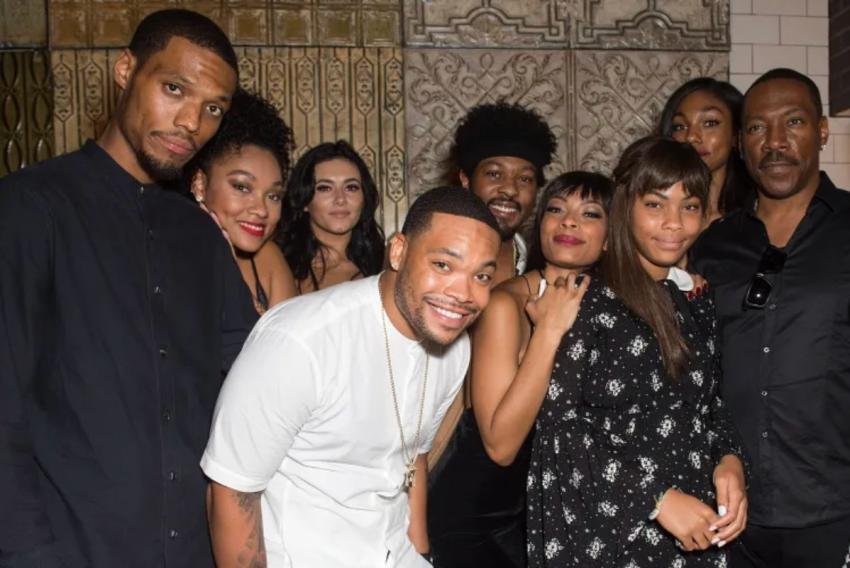
Eddie Murphy’s role as a father is central to his public narrative. He has repeatedly described his ten children as the “greatest blessing” in his life and emphasized that none of them fits the stereotype of the “Hollywood jerk kid.”
Max is the youngest in this extensive blended family. Eddie’s children include:
- Eric Murphy (b. 1989) with Paulette McNeely
- Bria, Myles, Shayne, Zola, and Bella with ex‑wife Nicole Mitchell Murphy
- Christian with Tamara Hood
- Angel Iris with Melanie Brown (Mel B)
- Izzy Oona (b. 2016) and Max Charles (b. 2018) with current wife Paige Butcher
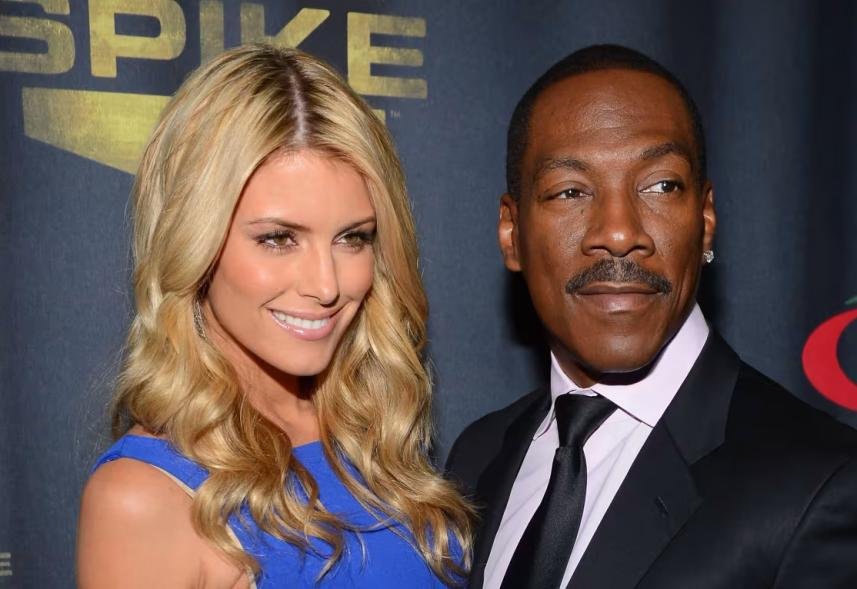
This family tree places Max at the tail end of a generational arc in which the older siblings are already adults, some with careers in acting, visual arts, or media, while the youngest two—Izzy and Max—are still in early childhood.
A Name Rooted in Family History
Max’s name carries explicit family meaning. Multiple reports at the time of his birth noted that he was given the middle name Charles in honor of Eddie’s older brother, comedian and actor Charlie Murphy, who died in 2017 after a battle with leukemia. This naming choice underscores how deeply the Murphy family links its legacy, grief, and continuity across generations.
Family Culture: Wealth, Work, and “Normal” Kids
Despite decades of box-office success, Eddie Murphy has consistently framed his identity around fatherhood rather than fame. In interviews he has emphasized that his children are “great, normal people,” and that his central priority is family life rather than career status.
For Max, that means growing up at the crossroads of extraordinary wealth and an intentionally grounded family culture. His older siblings have spoken through their careers and appearances to the stability of that environment, and public statements suggest that the household places a strong emphasis on cohesion, shared holidays, and cross‑generational support.
Also read:
- Kai Millard Morris: The Fashion Visionary Behind Kai Millæ
- Sharron Davies Net Worth: From Olympic Silver Medallist to BBC Icon and Life Peer
- How Old Is Bonnie Langford’s Daughter? Everything About Her Family
Lifestyle & Upbringing: A High-Profile Yet Low-Key Childhood
A Close-Knit, Multi‑Generational Household
Max’s earliest public appearance came via a now‑well‑known Christmas family portrait in which Eddie posed with all ten of his children, alongside Paige and their mothers. That image captured the central reality of Max’s upbringing: a large, blended, yet evidently cohesive family in which holidays and milestones are shared across generations.
Reports around the time of Max’s birth described the couple as “all about family,” noting that they wanted a younger sibling for Izzy and that they lead a low‑key, home‑oriented life together. Sources repeatedly describe vacations, holidays, and everyday routines centered on family time rather than constant publicity or red‑carpet exposure.
Paige Butcher’s Influence: Deliberate Privacy
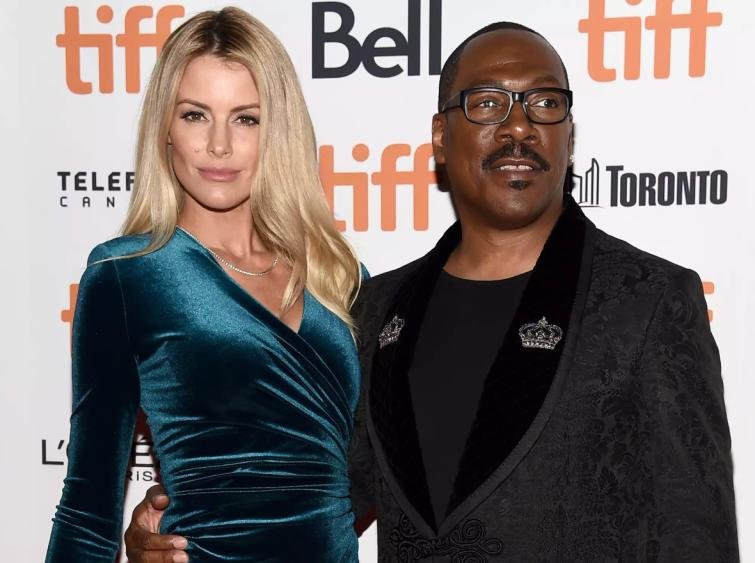
If Eddie Murphy represents the public legend, Paige Butcher represents the strategic retreat from unnecessary exposure. An Australian-born model and actress, she has consciously stepped back from the more performative aspects of modern celebrity culture.
In a 2013 interview, Butcher explained that she chose to avoid social media because being partnered with a celebrity already placed enough of her life in public view. She noted that she preferred to “keep as much private as possible” and that the more one shares online, the more it can be “used against you.” Subsequent coverage has highlighted that she deleted her social media accounts entirely to preserve her privacy and her children’s.
For Max, this strategic decision means:
- No official social media presence under parental control, unlike some celebrity families that create public profiles for their children.
- Highly curated public images, usually limited to rare family photos, controlled media features, or milestone events rather than constant coverage.
- A focus on ordinary routines—play dates, parks, and school-like activities—without leveraging his image for commercial or branding purposes.
Growing Up in a Protected Environment
While specific details of Max’s schooling, daily schedule, or neighborhood are understandably private, his parents’ statements and behavior suggest three consistent priorities:
- Security and privacy first – avoiding paparazzi‑driven exposure and unnecessary publication of his image.
- A sense of “normal childhood” despite wealth – similar to other high‑profile parents who consciously limit their children’s time in front of cameras.
- Integration into a large, supportive family network where much of the “celebrity” pressure is absorbed by older siblings and by Eddie himself.
This combination positions Max not as a commercialized “celebrity kid brand,” but as a child being raised with deliberate guardrails in a high‑net‑worth environment.
Financial Context: Family Net Worth and Legacy Structures
Eddie Murphy’s Fortune: Career Earnings and Net Worth
Over more than 40 years, Eddie Murphy has built one of Hollywood’s most durable careers, spanning stand‑up, Saturday Night Live, blockbuster franchises, and highly lucrative streaming deals.
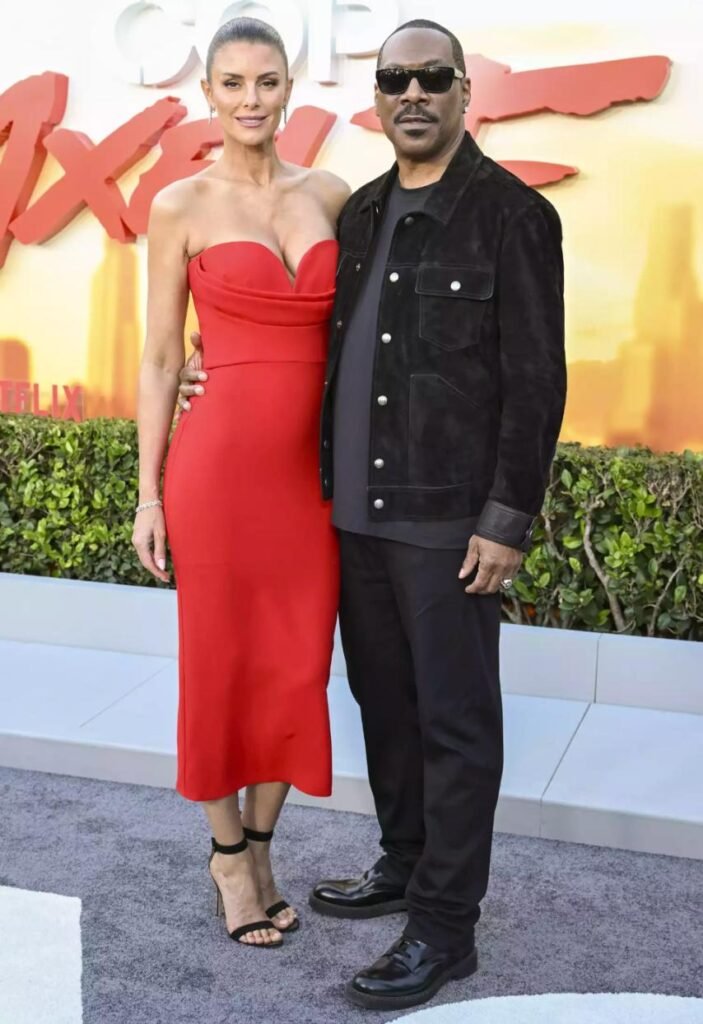
Key financial indicators include:
- Estimated net worth of about 200–250 million USD as of 2026, according to multiple analyses aggregating film salaries, backend points, and deals with platforms like Netflix and Amazon.
- Career earnings exceeding 420 million USD, counting upfront pay, profit participation, and long‑term licensing income.
- A long run as one of Hollywood’s highest‑paid actors, with peak per‑film fees reportedly approaching tens of millions of dollars and substantial backend participation in franchises like Beverly Hills Cop and Shrek.
These figures place Murphy firmly in the top tier of entertainment earners globally.
Family Net Worth vs. Individual Net Worth for a Minor
It is important to distinguish between family net worth and individual net worth:
- There is no public evidence that Max personally owns significant assets independently, nor would such holdings typically be directly accessible to a minor.
- For reporting and ethical purposes, it is more accurate to discuss “family net worth context” rather than suggesting a standalone net worth figure for a seven‑year‑old child.
Given Eddie Murphy’s estimated net worth and Paige Butcher’s own earnings from a successful modeling and acting career, Max is being raised within a high‑net‑worth household, but any precise share of that wealth allocated to him is both private and structurally complex.
How High‑Net‑Worth Heirs Are Typically Provided For
While Eddie Murphy’s specific estate‑planning documents are private, high‑net‑worth families in similar positions often use a combination of legal and financial tools to manage intergenerational wealth. Common structures include:
- Revocable living trusts – To centralize asset management, bypass probate, and maintain privacy over who receives what and when.
- Irrevocable gifting trusts and “stated‑age” or tiered payout trusts – To transfer wealth to children while controlling the timing and conditions of payouts (for example, partial distributions at 25, 30, 35, rather than a lump sum at 18).
- Generation‑skipping or dynasty trusts – To move assets directly to grandchildren or beyond, reducing estate taxes across multiple generations and preserving family capital.
- Specialized vehicles for education funding, sometimes using a mix of trusts and dedicated tax‑advantaged accounts.
For smaller amounts or more straightforward gifts, some families use UGMA/UTMA custodial accounts, which place assets in a custodian’s control until the child reaches a defined age of majority. However, for “large fortunes,” estate attorneys and wealth planners typically favor bespoke trust structures that avoid handing over unrestricted control at a young age.
In short, although the details of Max’s personal inheritance arrangements are not public, it is reasonable—based on standard practice—to assume that his eventual financial stake in the Murphy estate will be mediated through professional trust and estate planning, designed to preserve both capital and privacy.
Privacy vs. Publicity: Managing Max’s Image Across Generations
Older Siblings in the Spotlight, Younger Siblings in the Background
Eddie Murphy’s older children have, in some cases, pursued public careers. Bria Murphy has acting and reality‑TV credits; other adult siblings have appeared at premieres or on social media. This means that the “Murphy family” already has a visible footprint in entertainment and pop culture.
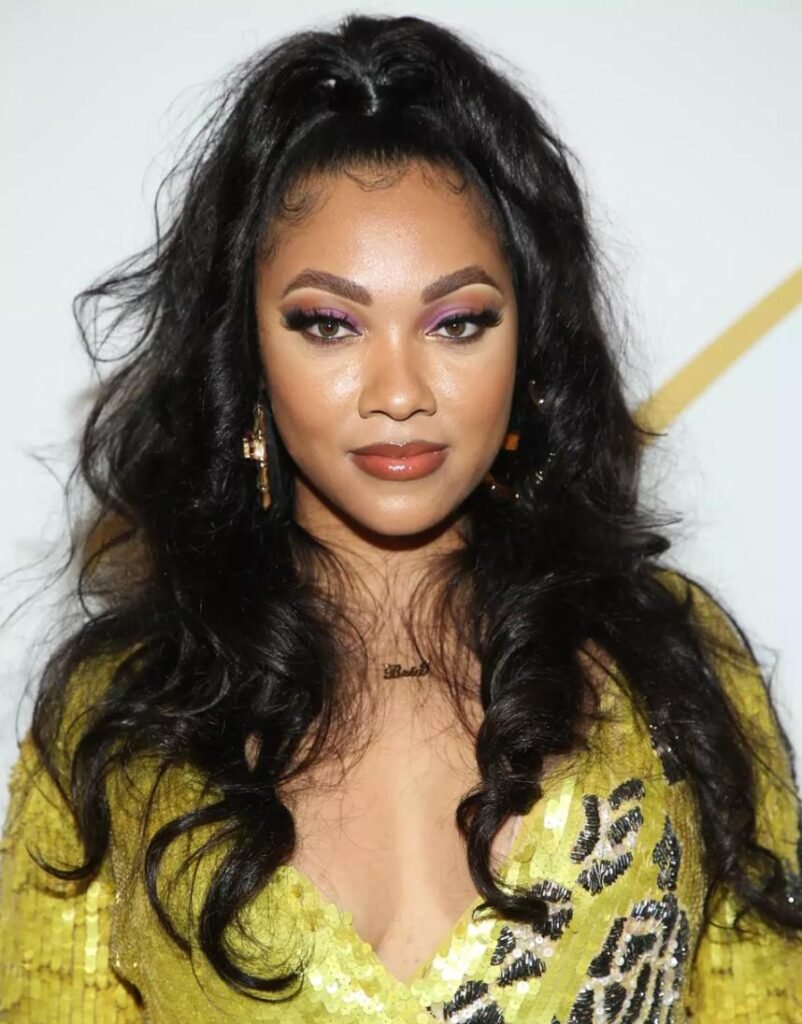
By contrast, Max and his sister Izzy appear only rarely in publication-approved images—holiday portraits, controlled family photos, or occasional references in interviews. Coverage of Eddie’s family life overwhelmingly focuses on his pride in being a father, rather than constructing media narratives around his youngest children as personalities in their own right.
Paige Butcher’s No‑Social‑Media Policy
Paige Butcher’s stance on privacy is unusually clear for a modern celebrity partner. She has explained that she stepped off social media because being with a well‑known actor already places her under scrutiny; voluntarily contributing additional personal content would simply amplify that exposure. Reports further emphasize that she permanently deleted her major social media accounts to remove the possibility of oversharing or having family content repurposed without consent.
This approach has direct consequences for Max:
- It eliminates a major pipeline through which many celebrity children become inadvertently famous—parental Instagram or TikTok feeds.
- It secures a tighter grip on the narrative, where any released photos tend to be official, controlled, and minimal rather than frequent and casual.
Aligning with a Broader Shift Toward Child Privacy
Murphy and Butcher’s strategy sits within a wider movement in which high‑profile parents—across Hollywood and global entertainment industries—have pushed back against the idea that fans have a “right” to see their children. Commentators increasingly argue that children did not choose public life and that preserving their ability to decide—later—how visible they wish to be is itself a key parental responsibility.
In practice, Max’s upbringing reflects this philosophy. He benefits from his family’s wealth and status but is largely shielded from the media economy built around “celebrity kids.”
Future Outlook: Education, Identity, and Inherited Wealth
Given Max’s age, any discussion of his specific educational path, career, or eventual financial decisions must remain speculative. However, evidence from similar high‑net‑worth families and from Eddie Murphy’s own statements allows for several informed observations.
- Education and access – Wealth at this level almost invariably translates into access to high‑quality education, whether through elite private schooling, bespoke tutoring, or international exposure. Estate‑planning literature for wealthy families often prioritizes funding education as one of the most important and symbolically meaningful uses of capital.
- Guardrailed inheritance – Modern trust design for large estates typically avoids sudden, unconditional windfalls at 18 or 21. Instead, distributions are tied to milestones—university completion, professional achievements, or specific ages—while preserving core capital for long‑term security.
- Optional, not obligatory, public life – With a father who has already achieved intergenerational fame and a mother who values privacy, Max is likely to have more freedom than many legacy children to decide whether he wants to enter entertainment, pursue business or philanthropy, or live largely out of the spotlight.
- A robust support structure – A network of older siblings, extended family, and professional advisors will shape how Max encounters both privilege and expectations. For many heirs, this blend of personal guidance and formal structures can be more influential than the raw size of the inheritance itself.
In summary, Max’s future will almost certainly be financially secure, but—based on available evidence—carefully managed to balance opportunity, responsibility, and privacy.
Conclusion
Max Charles Murphy occupies a singular position in contemporary celebrity culture: the youngest heir to one of Hollywood’s most enduring comedic empires, raised in a household that combines immense wealth with deliberately low visibility.
He is part of a complex, blended family where older siblings already operate in creative industries, yet his own public presence is minimal, shaped by parents who emphasize family, normalcy, and protection over constant exposure. Financially, he stands within a family net worth estimated in the 200–250 million USD range, supported by decades of high‑earning films, streaming deals, and residuals. However, any personal stake in that fortune is likely structured through sophisticated estate‑planning vehicles designed to preserve capital, reduce tax drag, and avoid overwhelming a young heir with unrestricted access.
Taken together, Max’s story—so far—is less about an individual child celebrity and more about a case study in how modern high‑net‑worth families can use privacy, professional planning, and strong family culture to shape the lives of their youngest members. As he grows, the world may see more of Max Murphy; for now, his life is largely and intentionally lived off‑camera.
You May Also Explore These Profiles–
- Craig Monk net worth
- Aliza Barber: The Inspiring Journey of a Culinary Expert, and Devoted Family Woman
- Ifet Anwar: Leading Scottish Property Solicitor and Advocate
- Hettie Jago Partner: Meet Tom Jago and Their Antique-Loving Family Life
